A leak in the WWDC
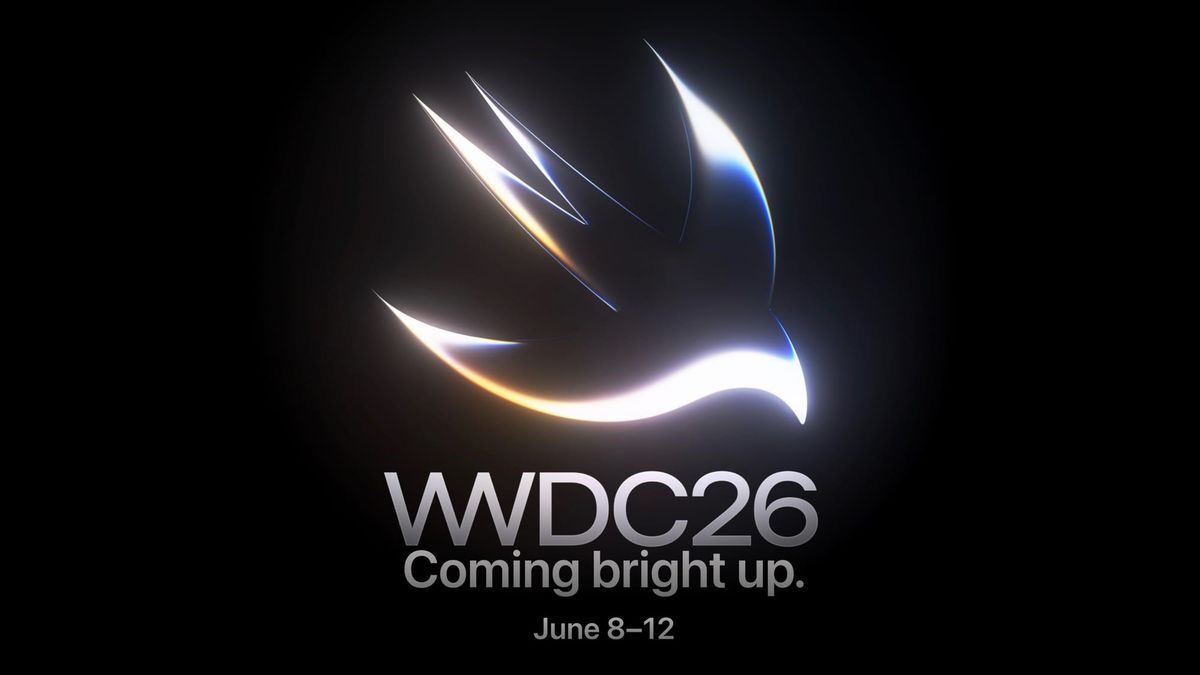
There have been a lot of iOS 27 and Apple Intelligence feature leaks lately. I've been making the claim that a lot of what has been leaked is "predictable" or "obvious."
When I say this, it isn't to shut down the leaker or tell them not to leak, it's to say that the leak itself isn't interesting. As someone that has followed Apple leakers and the culture around it, I find these increasingly small reports a tad baffling.
Hundreds of words are being written about the potential that Apple could add a single rectangle of pixels to an existing app interface. The worst part is that these leaks benefit no one involved.
Most Apple leaks deal with hardware because the software almost never leaks. Those hardware leaks are tied to the supply chain and reporting often deals with financial implications of companies involved.
That's all fair when discussing product leaks.
However, the engineers that worked hard on a new feature that would debut at WWDC have suddenly had the rug pulled from under them. The surprise is ruined, and not even for any good reason other than to use the story to prop up a leaker's narrative.
"Apple is releasing this feature because it's behind and scrambling."
Except, when you examine the feature in question, that statement doesn't hold any water. If anything, it's an obvious evolution of a product that would occur whether the world was moving ahead with AI or not.
That's what stinks about many of these latest rumors. They're being used to tell some kind of story meant to frame Apple's "failure" at delivering AI features.
Sure, if you ignore everything else except that other companies shipped some features and Apple didn't, that might sound bad. Looking at the bigger picture, it couldn't be further from the truth.
The AI lie
Apple's competitors are scrambling to meet the impossible demands of investors. They're all convinced – board members, CEOs, etc. – that AI is the future and the product must have it.
Apple kind of fell into that trap at first. Investors and analysts were piling on top of Apple through 2023 into mid-2024. WWDC revealed Apple Intelligence, and with it, a promise of features that wouldn't release as expected.
Thank goodness.
Had Apple managed to ship any of the proactive Siri and Apple Intelligence features, we'd be having a completely different discussion about hallucinatory AI and a disaster on iPhone. Instead, we ended up with a very basic, non-intrusive set of AI functions that stayed out of the way.
It gave Apple the time and space to examine how the market reacted to AI. Investors were quelled thanks to increasingly performant quarters, and Apple got to develop its AI tools in secret again.
But this is painted as a failure.
Apple became the platform of "if you want it, it's there, if not, you can ignore it" when it came to AI. As the grift reached its apex and began to decline, Apple was in the best position to succeed.
In the intervening year since Apple said it needed to rebuild its AI strategy from the ground up, Apple's competitors have spent untold billions on the grift. Apple's spending on AI, data centers, and similar technologies remained nearly flat, while everyone else exponentially rose.
AI companies were telling investors the world needs AI. Tech rose to the occasion. Humanity more or less rejected it.
Sure, ChatGPT is hugely popular, but it isn't a money maker. There are some genuinely good uses of AI, but most of them aren't generative, and they're not exactly flashy either.
They promised to save humanity while potentially creating a dystopia in the process. What they actually provided is little better than a text prediction engine.
Meanwhile, Apple just had to keep working in the background on what it expects will actually help users. While others are throwing features at the wall, praying they'll stick, Apple has a solid grasp on what users want.
Local, private, secure, transparent, and simple. That's what Apple Intelligence represents, and hopefully the new Siri will too. Tie in third-party agent integrations via app APIs, and Apple has the strongest AI ecosystem out there.
So yeah, someone is scrambling, but it isn't Apple. If it's anyone, it's the company predicting they could be cash poor by 2028.
Predicting WWDC
I didn't want to write this post to repeat what I've said before, so let's get to the point 775 words in: easy leaks.
I want to share some basic predictions of Apple software that could be revealed during WWDC. Some of this may leak before the event, which proves my point behind "obvious" leaks.
- iOS 27 to feature AI-powered customization tools like Home Screen manipulation and organization.
- Apple could even have AI recommend a generated Home Screen or Lock screen based on the chosen Focus Mode or a brief text description.
- The Morning Summary Shortcut becomes a system feature with customizable inputs like weather provider, news podcast, and other data points.
- Apple's natural language Shortcuts generator tool will be called "Shortcuts Playground."
- App launch hints come to the Lock Screen (on Apple Watch now), which suggests an action or app to open based on previous actions.
- Apple Wallet pass generation becomes a proactive AI feature. Data detected in Messages, Mail, and Safari can generate a pass.
- Wallet will have a "suggested pass" feature where it collects potential passes you haven't generated from around the system.
- Apple Music to get its first user-facing "AI" playlist. It is distinct from "Playlists Made For You" that are generated from Apple Music's algorithms. Instead, the AI playlist will create playlists based on the on-device Apple Foundation Model's knowledge of the user.
- Apple Health redesigned with an emphasis on data logging. Health still acts as a repository for external data, but there will be more options for users to easily log things from a home page of sorts.
- Photos taken of food will automatically show up in Health as a food logging option for the time the photo was captured.
- Apple Fitness gets a custom AI coach where users can get recommended workouts based on their current Training Load and previous workouts logged.
- Reminders gains an AI recommended list where it gathers recommendations based on system-wide interactions. Reminders to follow up on an email, text a friend you haven't texted in a while, or label faces in Photos that haven't been labeled yet. Centralizing user reminders.
- The Siri app will be a place where users can deeply customize the Apple Foundation Model dataset with direct links to datapoints that matter. Users will select their personal Contact card, relationships to other Contacts, frequent Maps locations, and preferred apps and AI models here.
- In spite of all of these AI additions, Apple will still let users toggle off Apple Intelligence, or at the least, ignore the features altogether. They'll be a tap or two away, but never forcing themselves into your space.
- Customization via in-app "widgets" like what may come to Apple's Camera app will appear in other locations. Imagine a block-style customization interface akin to Carrot Weather, but in Music, News, Health, Weather, and more.
- Invites gets direct Calendar integration to generate a new Invite based on an inputted Calendar event.
- Long pressing the side button that normally summons Siri will still do so, but in a new interface that involves both voice and touch. Long press and speak to use Siri normally, or long press and tap an element to have Siri interact with that portion of the display, depending on the context.
- Apple better combines system-wide understanding of events into useful datapoints, like having tickets in Mail, passes in Wallet, and a Calendar event to understand a particular vacation or trip has taken place. Suggestions for Apple Home (you're away this week, turn down the thermostat) or Photos (creating an album based on the data with a correct name).
These are all off-the-cuff predictions made on Monday, May 18, 2026. I don't expect any of them to happen really, but they're the kind of thing that's easy to expect given other patterns from Apple.
Here's some of the rumor reporting covered lately: