Apple's week January 2: New Year, old analysts
It wouldn't be Apple if there weren't pundits champing at the bit to write the most salacious headlines possible. Whether it is Apple failing at AI or Apple Vision Pro being an utter flop, there's no end to analysts and pundits looking to drive the narrative, and sometimes, the stock price.
My reporting around Apple may come off optimistic and even overly fanboyish, but the one thing I'll never want to be is cynical. Yes, Apple is a trillionaire corporation that inherently doesn't care about the individual customer. Though some employees and executives might, and do, the company as a whole is a corporate entity, and it's good to remember that.
Anyway, it's the night before CES week, and the headlines are sure to reflect exactly how "behind" Apple is for not releasing a spoon that electrifies your tongue.
Here's the news since my holiday break:
- TikTok US deal finally closes
- Apple employees with visas advised not to leave US
- iPhone Fold display crease still not solved
- Bambu Lab P1S review
- Using Switch 2 and iPad Pro together
- Apple's AI team is bigger than reported
- My best tech pics for 2025
- My office tour
- Updated Apple Intelligence won't be built with Gemini
Apple's DOOM™ moves into 2026
The new year has barely arrived, and I'm already tired of the narrative around Apple's place in modern tech. A single poorly phrased headline from several weeks back has painted the narrative around Apple and AI since.

The November 5th story from Bloomberg makes no mention of Apple replacing, training, or enhancing Siri with Google Gemini. What it does say, multiple times actually, is that the Google Gemini model that is being provided to Apple for $1 billion a year will run in Private Cloud Compute and assume specific summarizer and planner functions, not the entire backend.
I keep seeing people around the web refer to this deal between Apple and Google as a "training data set" that would be "white label" and "used to train Apple Foundation Models that power Siri."
Nothing in this report says that, and if there is a different report alleging as much, I'm not aware of it. From what I can tell, Apple Foundation Models continue to be trained by in-house datasets gathered and acquired by Apple. The inclusion of third-party AI models seems completely isolated to Private Cloud Compute, and for specific functions only.
Siri and Apple Intelligence will still be solely powered by Apple Foundation Models. What these third-party models can do is be called by Apple Intelligence or Siri to perform certain tasks, much like what already happens when ChatGPT is accessed via Siri.
Whatever the case, the result will be private, safe, and secure. And much of it will be local to the iPhone. Plus, everything running via Private Cloud Compute will be powered by renewable energy.
Pundit's desire for Apple Vision Pro to fail
This story landed in my lap late New Year’s Day, and it was an odd one. Most of the report relied on old statistics, like production reports from January 2025, and the one new tidbit was an IDC shipment estimate for the holiday quarter.

The whole thing was off, and I don't understand why. What purpose is there in needing Apple Vision Pro to be a failure, even when the data doesn't support that narrative?
I know we're all used to millions of iPhone, iPad, or Mac sales in a quarter, so hearing a number like 45,000 units can seem quite terrible. However, when the device being discussed starts at $3,500, it's a whole different story.
I don't know why I need to say this, but $157 million in a single quarter isn't anything to sneeze at. Even Meta only grossed $1 billion in a single quarter in 2025, and that's for multiple headsets, software, and the other parts of its VR division.
No one knows how much money has been sunk into Apple Vision Pro's development and iteration so far, but I am certain of one thing – it's not $77 billion. In case you weren't aware, that's how much money Mark Zuckerberg sunk into the Metaverse, but apparently that doesn't get included in these calculations for Apple's "failures."
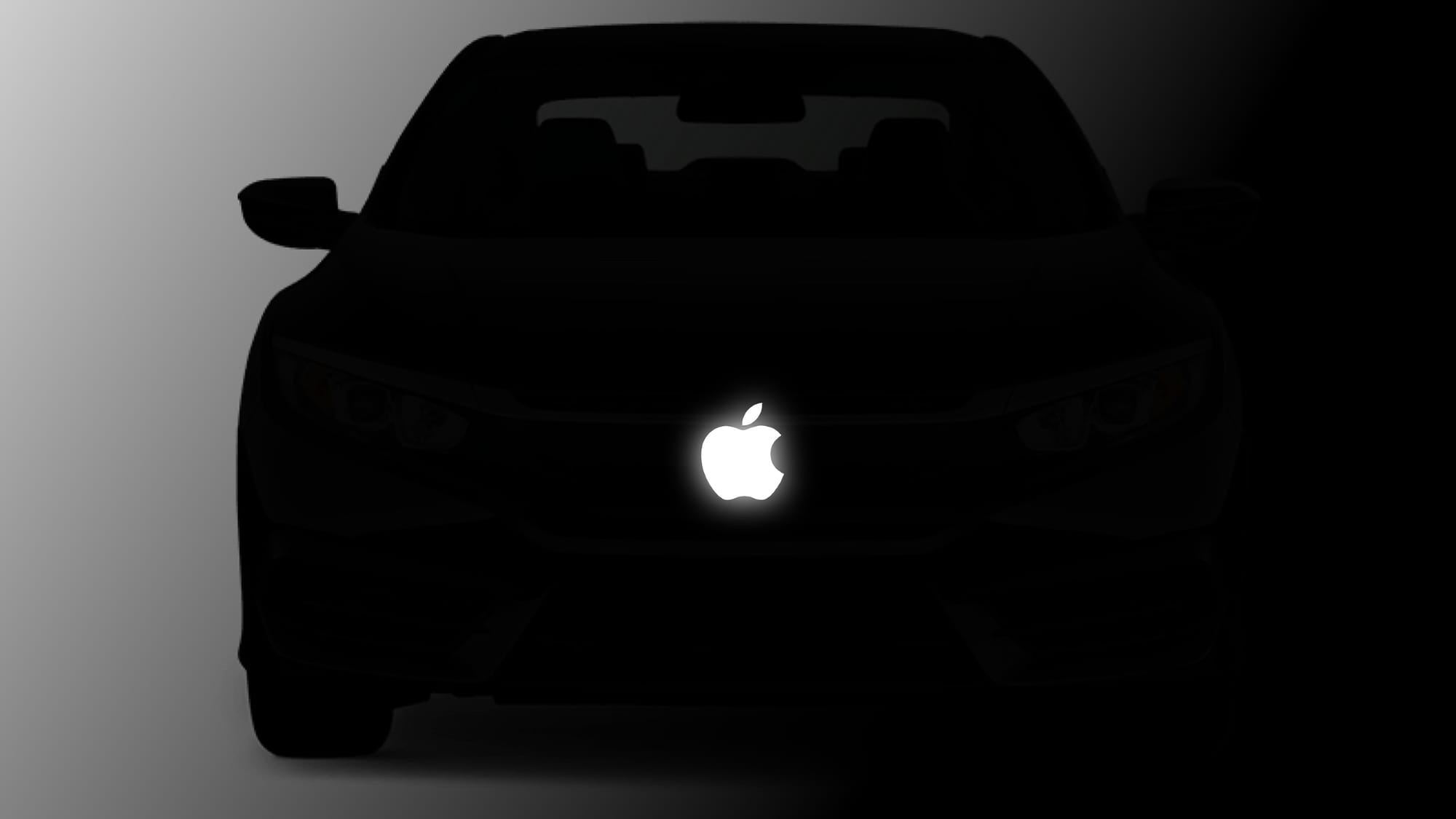
When people discovered that Apple spent around $10 billion over ten years on Apple Car, it was billed as a disastrous waste of money. No one wanted to hear that much of the research went into computer vision, AI, and robotics, no, it was simply a failure of Cook.
However, we're not seeing the same reactions from pundits about the failure that is the Metaverse. And yes, we can call it a failure in this case because it was promised, never materialized, and subsequently abandoned by the company with nothing to show. Even the money spent on Metaverse development seems to be truly lost, as it only enabled research and development into technologies that will no longer be pursued, like animating legs in VR and owning virtual condos.
On top of all of that, Meta failed to make VR escape the niche trap it has always been in. Only enthusiasts, and more recently, gamers, care about VR in any significant fashion. The Meta Quest headsets may be relatively inexpensive, but they're still purchased in minimal volumes compared to other consumer electronic devices.
The fact that VR isn't a larger market is a direct result of Meta's failure to create a marketable experience.
Meanwhile, Apple Vision Pro was built to be a starting point for Apple's Vision platform. It was introduced as a view of the future, with a price and design that was understood to be for an early adopter market. There is no world in which anyone at Apple expected it to sell like its more consumer-friendly products. The closest compare might be the Mac Pro, but even then, that's a highly specialized market that might sell better simply because of enterprise orders.
It is quite difficult to grade Apple Vision Pro because we don't know Apple's success metrics. The M5 model shows that the company is still dedicated to the platform and iterating. I expect we'll see a true second-generation pro and a lighter $1,999 starting entry model in early 2027 or so. There's really no need to rush the Vision platform – it's a long game.
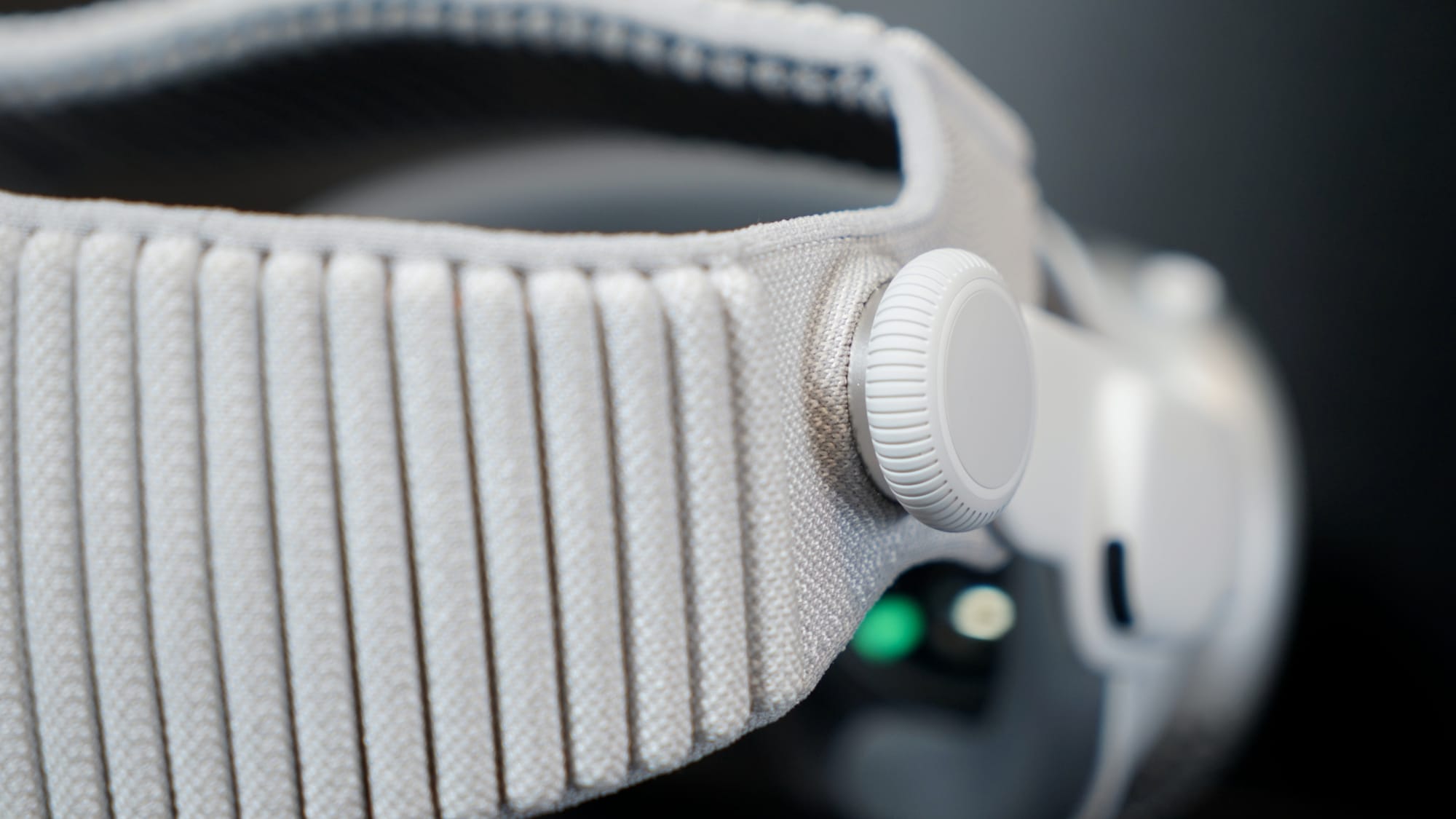
The thing is, I'm not sure why people feel the need to assign a pass/fail grade to Apple Vision Pro. I'd give it a B+. It's incredible hardware and visionOS feels mature in spite of it being new, but developer support is lacking, and that's the most critical problem with the platform. If Apple could do something to push native experiences forward from third parties, Apple Vision Pro would be viewed in a much better light.
Regardless, I have no doubt that Apple Vision Pro is performing exactly how Apple expected. There was a time at the start that the company sold nearly every one it could make, simply because Sony can only make so many of the displays at a time. We've reached the point where there's plenty of inventory, but for a spec bump on a niche product, I'd bet that $157 million in revenue isn't half bad.
And for Apple Vision Pro, it's not about the money. Apple needed to get something on the market to start developing visionOS and the app ecosystem in the public. Now, nearly two years in, there's quite a lot more content and support than was there at the start, especially for immersive video, but the developer side is still lacking.
If these analysts and pundits want some negative headlines, they don't need to go out of their way to make up a controversy. All they need to do is report about the lack of developer support for visionOS and the story practically writes itself.
Happy New Year
I'm glad to be back at the keys and writing about Apple again. I needed the break, but this work really motivates me and I'm excited to see how this year plays out. Judging by all the rumors, it should be quite interesting for Apple and its fans.
I've linked to my office tour at the top, so if you're curious what that looks like, give it a look. It'll probably be changing quite dramatically in 2026 because, as I've mentioned, we hope to buy a house this year.
It'll be interesting to see exactly what Apple does with AI, the smart home, and its iPhone upgrade cycle. Perhaps, more interesting will be how everyone reacts. If the AI stuff is executed well, and as I expect, we should see a dramatic turn in conversation around Apple's place in that field. I just hope everyone reading here remembers – I told you about it first.
I'll be back next week, and each week after. Stay tuned, and let's see how 2026 goes.