Don't call them AI products: Apple's Home Hub & cameras stand on their own
Apple's new smart home devices will help promote the new Apple Intelligence, but won't be AI-first products.
The modern smart home has existed for over a decade, but Apple's place in it has been limited when compared to its competitors. The Apple TV and HomePod are the main hardware contributions from the company, but that'll soon change.
Rumors believe that Apple's next smart home push will be heavily focused on AI features. However, that may be a result of how the market has been influenced by AI and not actual plans from Apple.
I do believe that the rumored Home Hub and new Apple security cameras are all waiting on the next generation of Apple Foundation Models. However, I don't believe these will be pitched as "AI-first" products.
Still waiting on everything
Current reporting seems to suggest that Apple will heavily market the Home Hub tablet device as an AI product. Some analysts are already suggesting that Apple's success in these products as AI-driven tools will make or break Ternus as the new CEO.
Of course, this is all pretty much speculation and hearsay at this point. We've yet to see leaked components for these so-called "finished" products. Apple has apparently been ready to release the Home Hub tablet since mid-2025.
If that is the case, I am highly surprised we haven't seen a working one in the wild. That's especially true considering Apple apparently already seeded some to employees to take home and test, again, over a year ago.
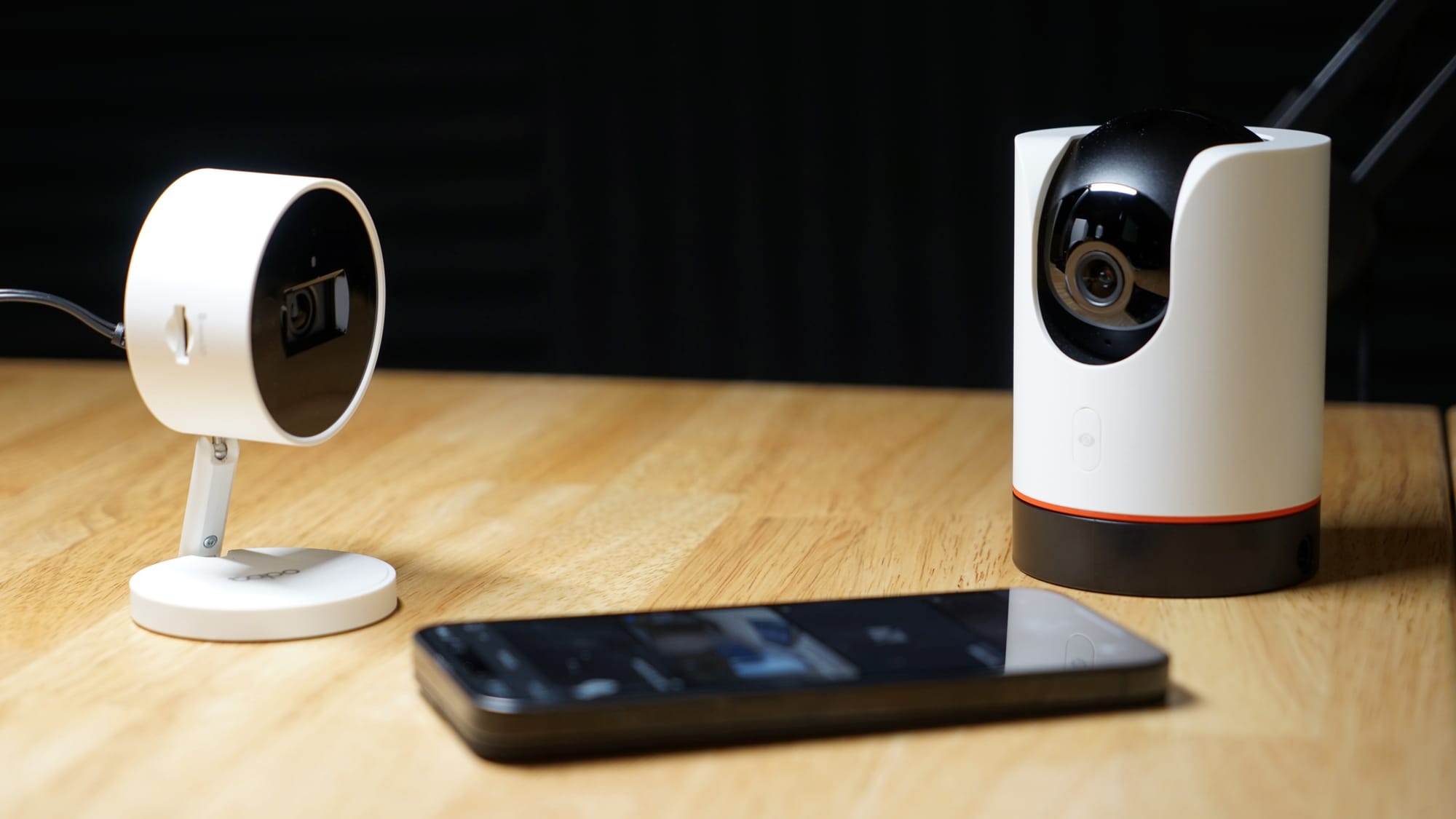
I'm excited for the Home Hub and cameras from Apple. The cameras themselves will likely offer interesting ecosystem advantages like strengthened Apple Home connectivity, end-to-end encryption, and improved recording options. I'm willing to bet when these products release that Apple will increase HomeKit Secure Video resolution limits to 4K.
The Home Hub tablet
The Home Hub will be an interesting product that still needs a proper pitch deck to understand. I believe I've got a good understanding of it, but it does feel redundant given who it is marketed towards.
I'm sure Apple would love to sell the Home Hub to everyone that owns an iPhone, but the initial market will likely be first-adopters deeply embedded in Apple's ecosystem. So, these users might already have multiple iPhone users in a household with various Macs, iPads, and other products.
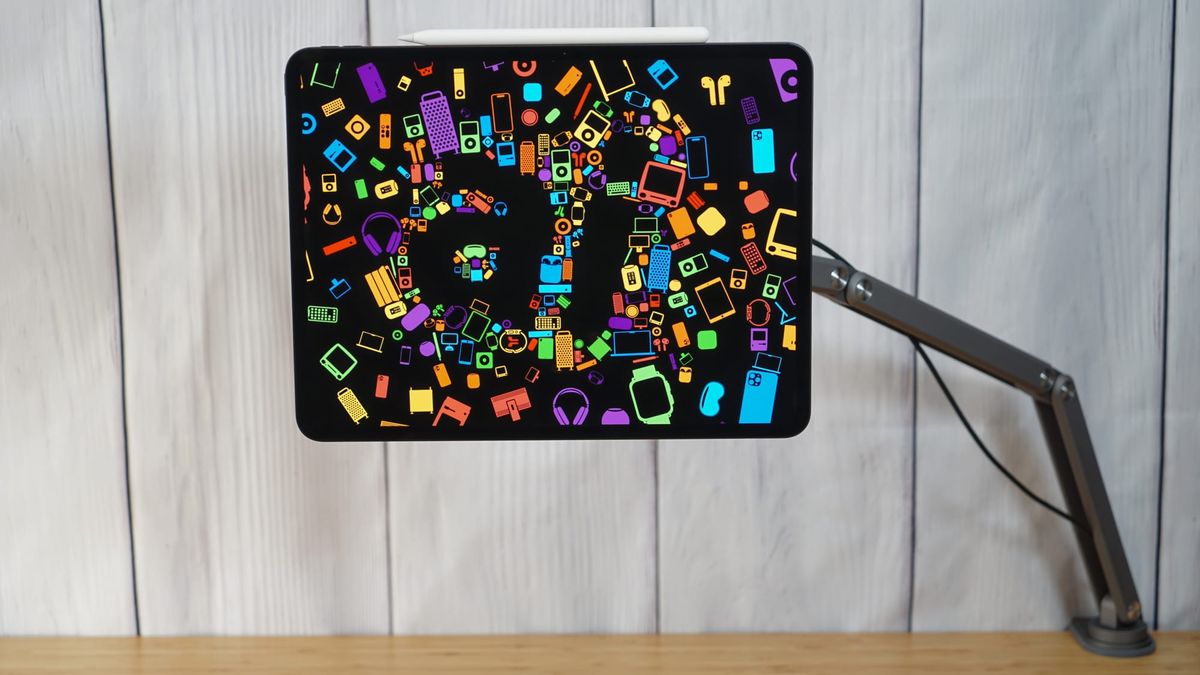
Currently, it seems the pitch will be a mountable display that can adapt to whatever product it is attached to. The initial docks would be a speaker dock akin to a HomePod, a wall mount, and an articulating arm. Later models would include a robotic arm the tablet can control.
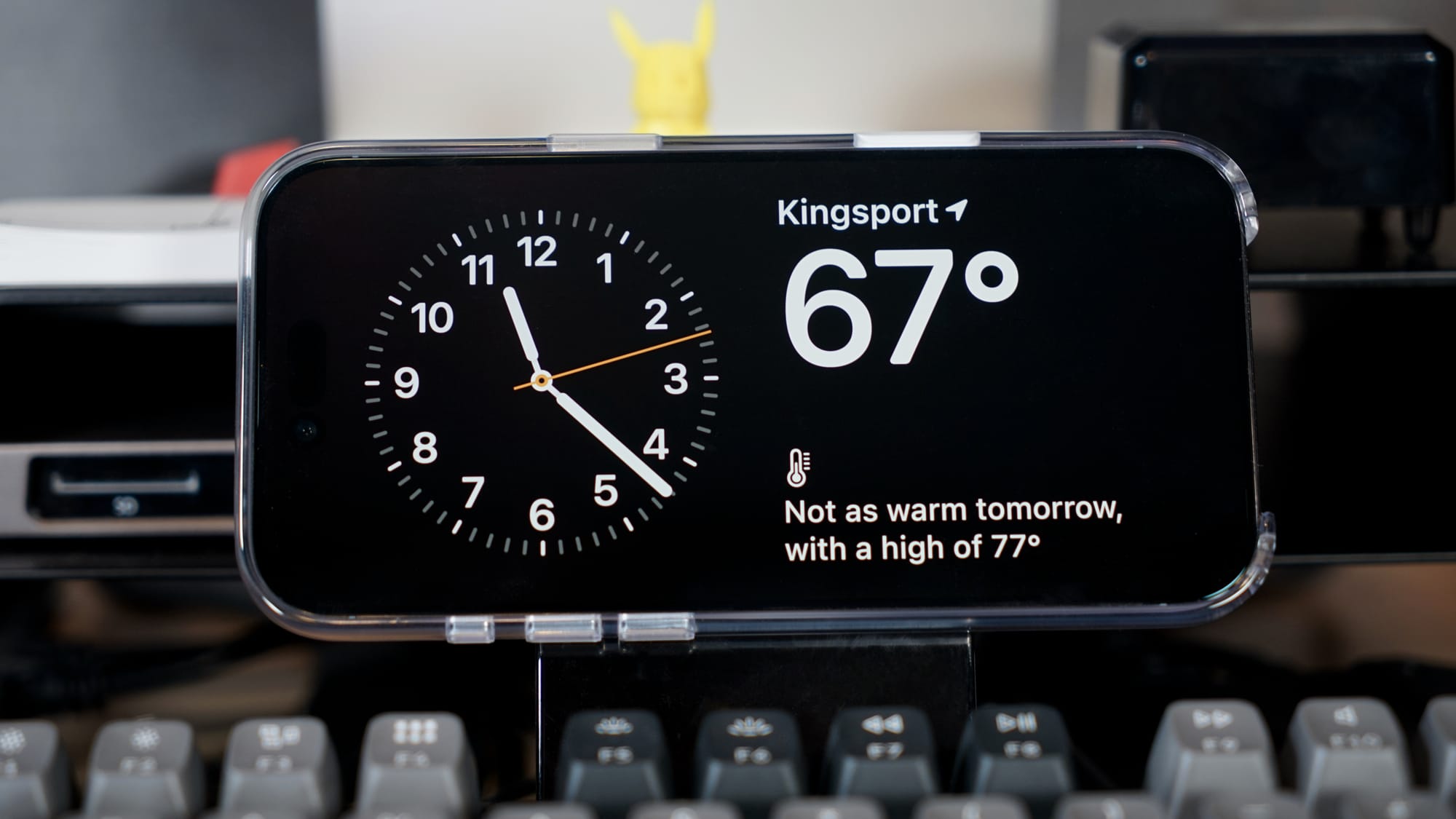
While this is a cool concept and many of us love having little gadgets to play with, Apple is going to be hard-pressed to sell these things to existing Apple users. The iPhone already has StandBy when set in a MagSafe stand in landscape. iPads can already attach to magnetic pads for display on various objects.
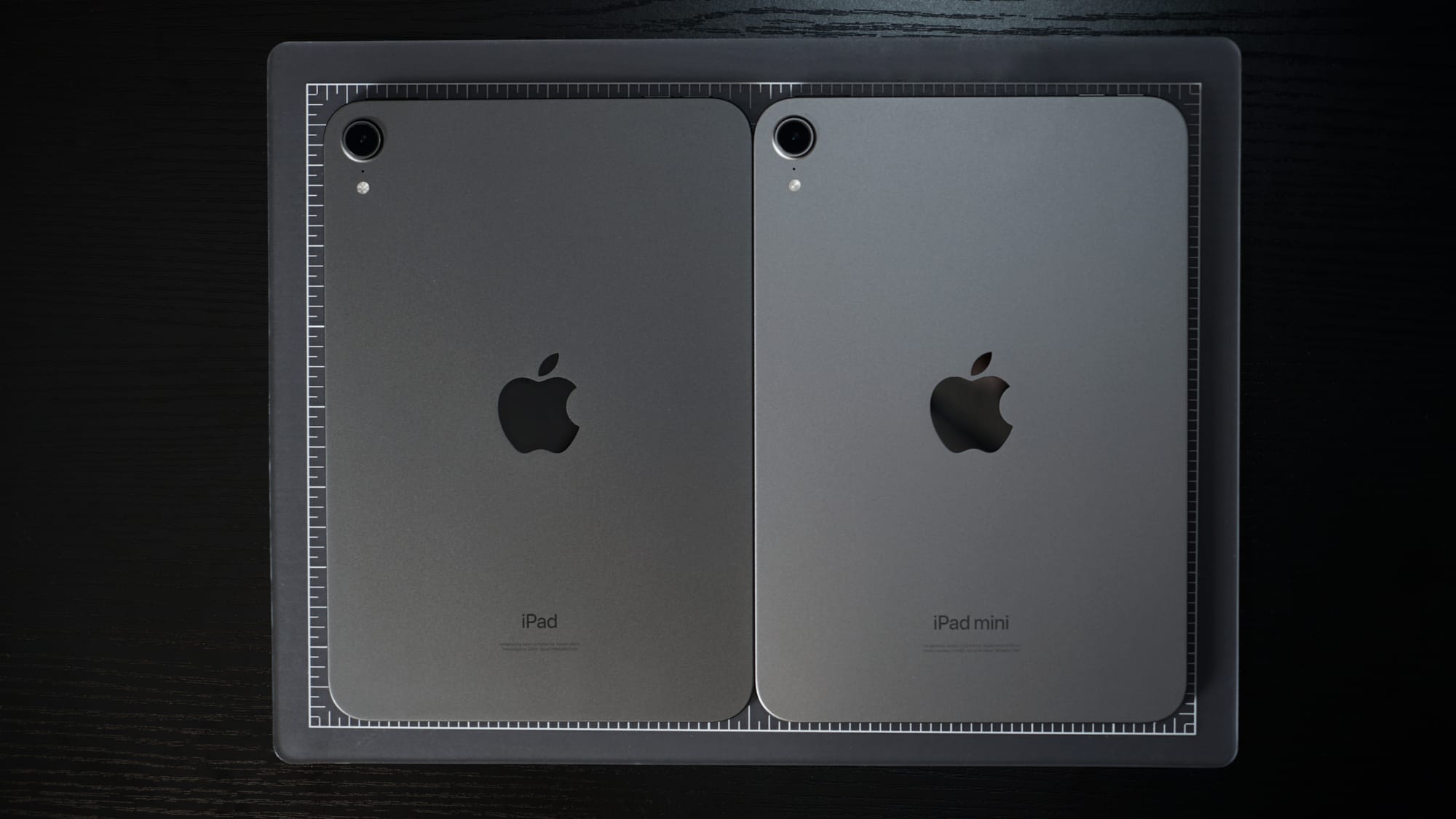
The unique abilities are the selling point of course, but I can also just tell my HomePod to play music or AirPlay it from my iPad mini. The lack of a permanently mounted HUD doesn't prevent me from performing those functions.
The entire pitch of Siri and then HomeKit was hands-free control. So this Home Hub needs to be something else entirely.
I expect we'll be directly interacting with these tablets much less than it might seem. They're not iPads, and they aren't meant to be used in tablet mode except sparingly.
There's a chance they'll have interesting UI options like displaying specific controls for the current room it is in. Of course, this would be a great selling point for official Apple mounts that communicate with the tablets with short-range signals to indicate the room. You'd need a mounting point in every room of your house! At least, that's the pitch.
There's also this idea that there will be more than one of these tablets in a household – at least one per person. However, they aren't personal devices. Maybe they might be treated that way, and Apple would prefer that and sell more, but I'm not sure. It sounds like they'll be multi-user, so again, Apple's pitch here is crucial.
The biggest advantage these products will offer that something like an iPhone, iPad, and Mac can't have is its user-agnostic nature. Guests will be able to walk up to a Home Hub to interact with the smart home devices, view basic data like the weather, or even perform searches and play video.
As a user moves through the home, the displays will light up with relevant information or show photos in a slideshow. Walk into the kitchen and that area's tablet might have widgets for recipes or a mode that lets you remotely log your meal into Apple Health. No need to worry about privacy, you'd automatically be authenticated with your devices like Apple Watch and facial recognition.
Not really AI-first
The "AI" part of these products will likely take shape in the data they present and the proactiveness of taking certain actions. Just like how iPhone isn't an AI-first device, the Home Hub and security cameras won't be either.
Sure, they'll have a big marketing image somewhere on the box that says "powered by Apple Intelligence" and get an ad for those features, but that's only a part of the whole. As we've seen with Apple's AI strategy so far, (and yes, it has one) it is pitching AI as an ecosystem feature, not a product.
So, let's not get confused by the headlines. These aren't "AI" products, but as the headline for my recent piece on the subject said, they're a part of Apple's AI push. The most marketable portions of their feature set will involve AI, but they won't be AI-first products.
The simple reason I'm making this assertion is because both the Home Hub tablet and the security cameras can exist without AI. Apple could release them today without any Apple Intelligence features, and they'd function and sell fine.
However, I do believe Apple is smart for holding the products back for the new AI releases. Not because they need the AI, but the AI needs them. There is no better way to ensure customers pay attention to the Apple Foundation Models update than with hardware that can demonstrate its usefulness.
To reiterate, I think that's the brilliant part of Apple's AI strategy, even if it could be argued that they arrived there by accident. Unlike the rest of the industry using AI to sell their products, Apple will use its products to sell AI.
It is a crucial difference that will put Apple ahead when the AI bubble inevitably collapses.